If you are asking what health tests for Labrador breeders should be doing, you are asking the right question before you ever choose a puppy. A beautiful Labrador with a sweet face and strong pedigree still needs the right health screening behind the scenes. For families, that matters because the best breeder is not simply producing puppies – they are working to protect the long-term soundness, temperament, and well-being of the dogs they raise.
What health tests for Labrador breeders should include
Responsible Labrador breeders do not rely on appearances alone. Many inherited conditions cannot be spotted just by looking at a dog, especially when the dog is young, athletic, and otherwise healthy. That is why health testing is a major part of careful breeding programs.
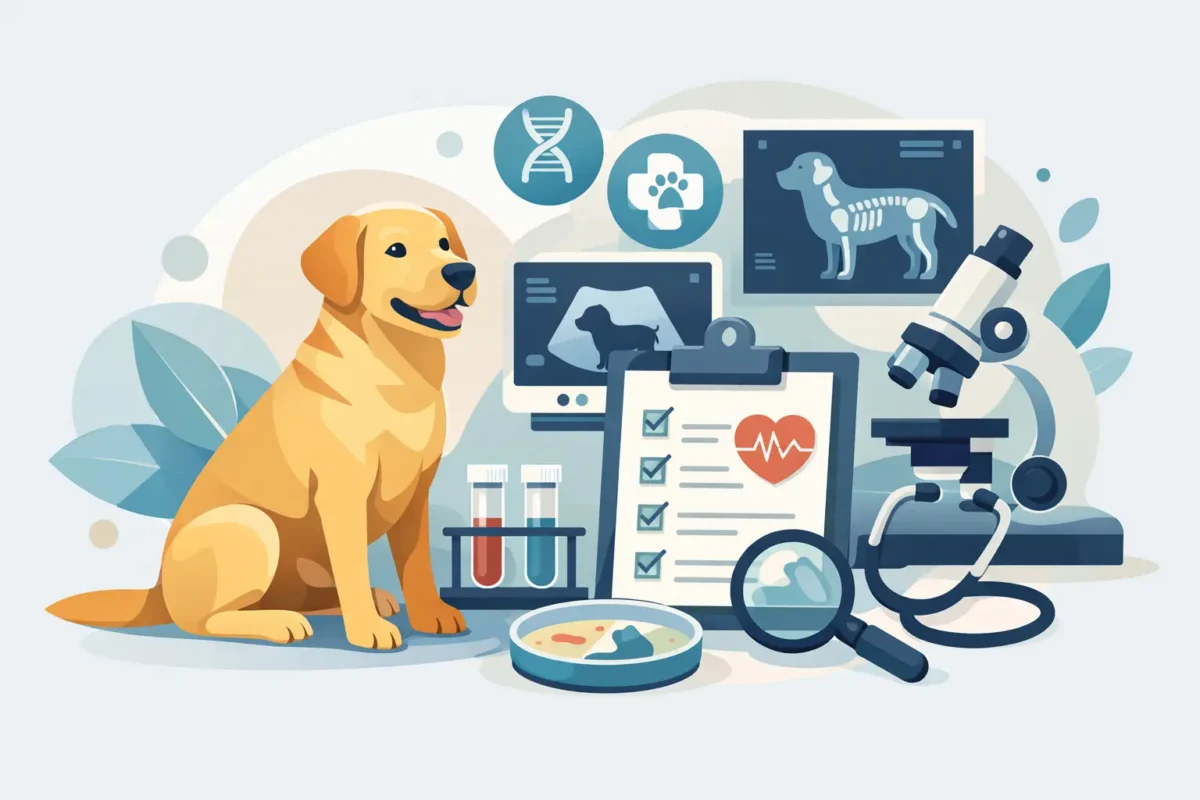
For Labrador Retrievers, the most commonly expected tests include hips, elbows, eyes, heart evaluation in some cases, and breed-relevant DNA screening. A breeder who completes these screenings is showing buyers that breeding decisions are based on more than guesswork. That creates confidence, especially for families who want a puppy that can thrive as a companion, a performance dog, or both.
Still, it helps to understand what each test actually tells you. Not every health check carries the same weight, and not every breeder who says their dogs are “vet checked” is doing true breed-specific testing.
Hip testing
Hip dysplasia is one of the biggest concerns in Labradors. It is a developmental joint problem that can lead to pain, arthritis, and reduced mobility. Since Labradors are active, growing dogs, poor hips can affect quality of life in a major way.
Breeders often use formal hip evaluations through recognized orthopedic screening programs. These evaluations look at the structure of the hip joints and help determine whether a dog should be part of a breeding program. Good hip results do not guarantee that every puppy will have perfect hips, because genetics, growth, nutrition, and environment all play a role. But breeding from parents with sound hip evaluations lowers risk and shows a breeder is taking the issue seriously.
Elbow testing
Elbow dysplasia is another orthopedic issue that matters in the breed. It may not get as much attention as hips from first-time buyers, but it should. Elbow problems can cause lameness, pain, and long-term joint damage.
A breeder who tests elbows is paying attention to structural soundness in a more complete way. Hips and elbows are often discussed together because both affect how a Labrador moves, matures, and handles an active family life.
Eye testing
Labradors can be affected by inherited eye conditions, some of which may not be obvious early on. A proper eye exam by a veterinary eye specialist helps screen breeding dogs for issues that could be passed forward.
This matters for pet families and working homes alike. A Labrador should not only be friendly and trainable, but also physically sound. Eye certification gives another layer of reassurance that the breeder is not skipping essential steps.
DNA testing for inherited conditions
DNA screening has become an important tool in modern breeding. It can identify whether a dog is clear, a carrier, or at risk for certain inherited conditions seen in Labradors. Depending on the testing panel used, this may include disorders related to exercise tolerance, muscle function, eye health, or coat and skin concerns.
DNA testing is especially useful because it helps breeders make smarter pairings. In many cases, a carrier dog does not have to be removed from a breeding program if matched responsibly to a clear dog. That is where nuance matters. A breeder who understands genetics and uses test results wisely may actually be making stronger decisions than someone who uses broad claims without documentation.
Heart screening
Heart evaluations are not always discussed as heavily as hips and elbows in Labradors, but some breeders include them as part of a more thorough health program. This can be a basic veterinary cardiac assessment or a more specialized evaluation depending on the dog’s history and bloodlines.
For buyers, heart screening is one more sign that the breeder is paying close attention to overall health rather than doing the bare minimum.
Health testing vs. a simple vet check
This is where many puppy buyers get tripped up. A vet check is helpful, but it is not the same thing as breed-specific health testing. A veterinarian may confirm that a puppy appears healthy at the time of the exam, has no obvious illness, and is developing normally. That is valuable, but it does not replace orthopedic certifications, ophthalmology exams, or DNA screening on the parents.
If a breeder says the puppies have been checked by a vet, ask one more question: were the sire and dam formally health tested before breeding? That is the real issue. Health testing happens at the parent-dog level, because that is where long-term hereditary risk is managed.
Why these tests matter for family buyers
Most families are not shopping for a Labrador because they want to study genetics charts. They want a happy, healthy puppy they can trust with their children, enjoy for years, and feel good about bringing home. That is exactly why health testing matters.
A carefully bred Labrador has a better foundation for the life ahead. That may mean a more reliable chance at sound movement, fewer inherited surprises, and more confidence in the puppy’s background. It also speaks to the breeder’s mindset. A breeder who invests in testing, records, and thoughtful pairings is usually more serious in other parts of the process too, including early socialization, puppy care, placement support, and written documentation.
That does not mean every tested litter will be perfect. No honest breeder should promise that. Dogs are living beings, and biology does not come with absolute guarantees. But responsible health testing stacks the odds in a much better direction.
What to ask when reviewing what health tests for Labrador breeders use
When speaking with a breeder, ask for specifics instead of broad promises. You want to know which tests were done on the parents, whether the results are current and documented, and how the breeder uses that information in planning litters.
It is reasonable to ask about hip and elbow certifications, eye exams, and DNA screening relevant to Labradors. It is also fair to ask whether there is a written health guarantee and what kind of support the breeder provides after placement. A trustworthy breeder should welcome informed questions. In fact, good breeders usually prefer educated buyers because it shows you care about the puppy’s future.
Be cautious with phrases like “our dogs have no health problems” or “we have never had issues.” Those statements may sound comforting, but they are not a substitute for testing. Clear records are stronger than casual reassurance.
Health testing is one part of the bigger picture
Even the right health tests are not the whole story. Breeding quality Labradors also involves sound temperament, good structure, stable family behavior, and thoughtful early raising. A puppy can come from tested parents and still need excellent handling, socialization, and placement into the right home.
That is why many buyers look for a breeder who combines health certifications with a family-centered raising environment. Puppies should be loved, observed, and prepared for real life in a home. Strong bloodlines matter. So do clean records, contracts, and breeder support. But the everyday care puppies receive before they leave also shapes their start.
At Laura Martin’s Labrador, that balance between loving family care and serious breeding standards is exactly what many Labrador buyers are looking for.
When you ask what health tests for Labrador breeders should be doing, you are really asking whether a breeder is planning for your puppy’s future before the litter is even born. That is the kind of care worth waiting for, and it is often what separates a well-bred Labrador from one that simply looks the part.
